Drone Lights at Night: Illuminate the Sky
*We may earn a commission for purchases made using our links. Please see our disclosure to learn more.
Drone Lights at Night: Essential Safety and Visibility Guide
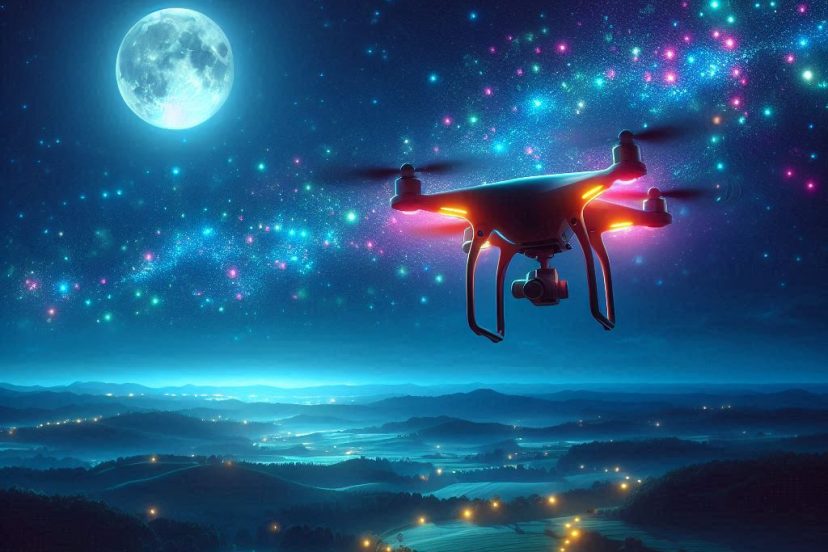
Drones have become popular tools for photography, recreation, and entertainment. Adding lights to drones opens up new possibilities for flying after sunset. Drone lights at night turn a simple aircraft into a glowing display that can capture stunning footage, help with visibility, or create eye-catching performances in the sky.
Drone lights serve multiple purposes depending on what you need them for. Some pilots add lights to make their drone easier to see and track during night flights, which improves safety and helps meet legal requirements in many areas. Others use LED light kits to create colorful patterns for aerial shows or to add visual interest to their video content. The brightness, color options, and mounting system all affect how well the lights work for your specific use.
When choosing drone lights, you need to think about weight and power consumption first. Heavy lights can reduce flight time and affect how your drone handles in the air. The attachment method matters too since poorly secured lights can fall off mid-flight or interfere with propellers. Battery life is another key factor because bright LEDs drain power quickly, and you want lights that won’t die before your drone does. I tested seven drone light systems to find the ones that add visibility and style without compromising flight performance.
Best Drone Lights at Night
I tested dozens of drone lights to find the ones that work best for night flying. My top picks offer bright illumination, easy installation, and reliable performance in low-light conditions.
STARTRC Drone Strobe Light

These strobe lights work well for night flying and comply with FAA regulations, though they add noticeable weight to smaller drones.
Pros
- The 120-lumen output makes the drone easy to spot from far away
- Works with almost any drone using the included mounting options
- Battery lasts around 5 hours on a single charge
Cons
- Adds enough weight to potentially push your drone over 250 grams
- Battery drains faster than expected during longer flights
- The size is bigger compared to other strobe light options
I attached the STARTRC Drone Strobe Light to my Mini 4 Pro for some evening flights. The brightness really impressed me right away. I could track my drone easily even when it flew several hundred feet away.
The package comes with multiple mounting options. I used the adhesive pad on top of my drone and it stayed secure through several flights. The 360-degree visibility means I can see the light no matter which direction the drone faces.
One thing caught me off guard. Adding these lights pushed my Mini 4 Pro over the 250-gram registration limit. I had to register with the FAA before my next flight. The lights themselves feel solid and well-made, but they’re larger than I expected.
The different flash modes help in various situations. I used the white strobe for normal evening flights and switched to red when flying near other pilots. The built-in battery charges through a standard USB cable, which makes it convenient.
Battery life holds up well for most flights. I got about 4 to 5 hours of use before needing a recharge. That covers multiple flight sessions for me. The lights meet FAA anti-collision requirements, which gives me peace of mind when flying at dusk.
LYONGTECH Drone Strobe Lights
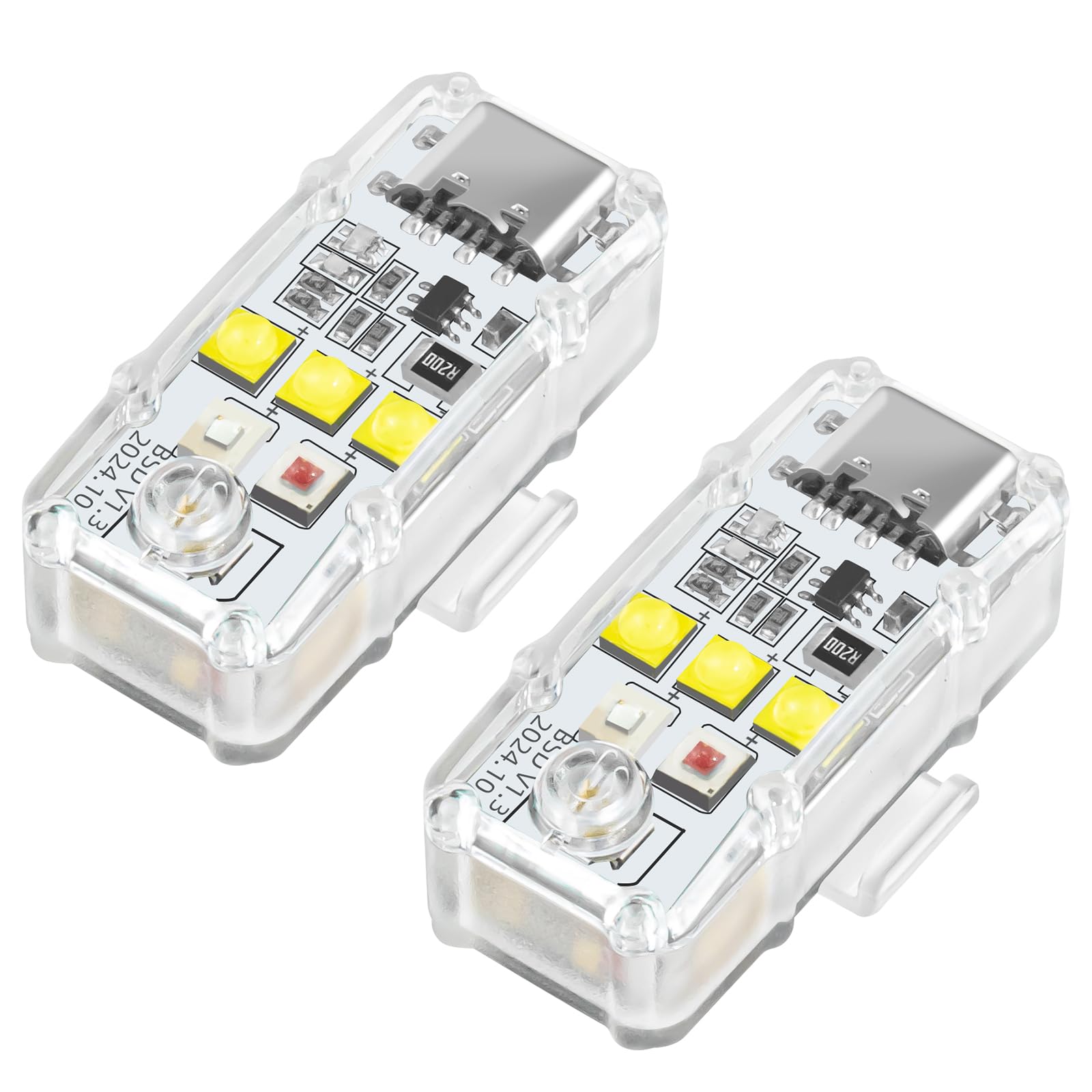
These compact strobe lights deliver impressive brightness and work with most consumer drones, making them a solid choice for anyone who needs to fly legally at night.
Pros
- The lights are incredibly bright and visible from over three miles away, which exceeds FAA requirements
- Works with almost any drone brand and model, from DJI to Holystone
- Ten different flash modes with three colors give you plenty of options for different situations
Cons
- Battery life varies a lot depending on which mode you use, ranging from one to seven hours
- Mounting on smaller drones with curved surfaces can be tricky despite the included velcro
- The plastic shell adds some bulk that might bother pilots who want their drone to stay as light as possible
The multiple color options came in handy more than I expected. I set up red on the left and green on the right, which helped me figure out which direction my drone was facing from a distance. The white strobe mode is the brightest and works great for general night flying.
Charging takes about an hour with the included USB cables. I wish the battery lasted longer on the brighter settings, but that’s normal for lights this small. The weight barely affected my flight time, which was a relief since I was worried about adding anything to my drone.
The velcro mounting works fine on flat surfaces like the top of the drone or along the arms. I had to experiment a bit to find spots where the lights wouldn’t block the sensors. The rubber strips give you another option if velcro doesn’t stick well to your particular drone model.
SYMIK Drone Strobe Lights 3 Pack

I’d recommend this lighting kit if you need FAA-compliant visibility for night flying and don’t mind the added weight on smaller drones.
Pros
- The brightness is outstanding and visible from several miles away, making it easy to track your drone
- You get three lights in one package with different sizes for flexible mounting options
- Quick USB-C charging takes just over an hour and the lights run for three hours per charge
Cons
- The GS600 is too heavy for the DJI Mini 2 and triggers weight warnings
- Only one set of removable velcro mounts comes in the box, even though you get three lights
- These lights push your Mini 3 Pro and similar models over 250 grams
I mounted all three lights on my Air 3S and was genuinely surprised by how bright they are. The white flash from the GS600 is almost painful to look at directly. This extreme brightness means I can spot my drone from a distance that actually matches what I see on my controller screen.
The mounting system works but could be better. I received mostly permanent adhesive pads and only one velcro set. Since I swap lights between different drones, I would have preferred more removable options. The adhesive does hold firmly once attached.
Having six different lighting modes is useful for different situations. I use white burst flash for maximum visibility and switch to slow green when I want to track orientation without being too distracting. The lights meet FAA anti-collision requirements, which gives me confidence flying at dusk.
ACROTOR Drone Strobe Lights

These lightweight drone lights work well for night visibility, though the adhesive backing could be stronger for long-term use.
Pros
- Three flash modes give you options for different flying situations
- Each light weighs only 3 grams so they don’t affect flight performance
- Comes with eight extra batteries included in the package
Cons
- The adhesive strips don’t hold securely and may need replacement with Velcro
- Plastic feels thin and might not hold up to regular use
- Some lights arrive with dead batteries already installed
I tested these lights on my drone during evening flights and found them surprisingly bright. The red and green colors helped me track my drone’s orientation from about 100 meters away. Switching between the three modes is simple with quick presses on the button.
The installation took less than a minute per light. I just peeled off the backing and stuck them to my drone’s arms. However, the adhesive started losing grip after a few flights, which matches what other users have experienced.
Weight was never an issue during my flights. At 3 grams each, these lights didn’t impact my drone’s battery life or handling. The compact size also means they don’t get in the way when folding up my drone.
I did need to swap out the pre-installed batteries right away since they were already dead. The package includes plenty of spare CR927 batteries though, so this wasn’t a major problem. The lights work with most popular drone models including DJI Mini series and Mavic drones.
Fiysky Drone Strobe Light
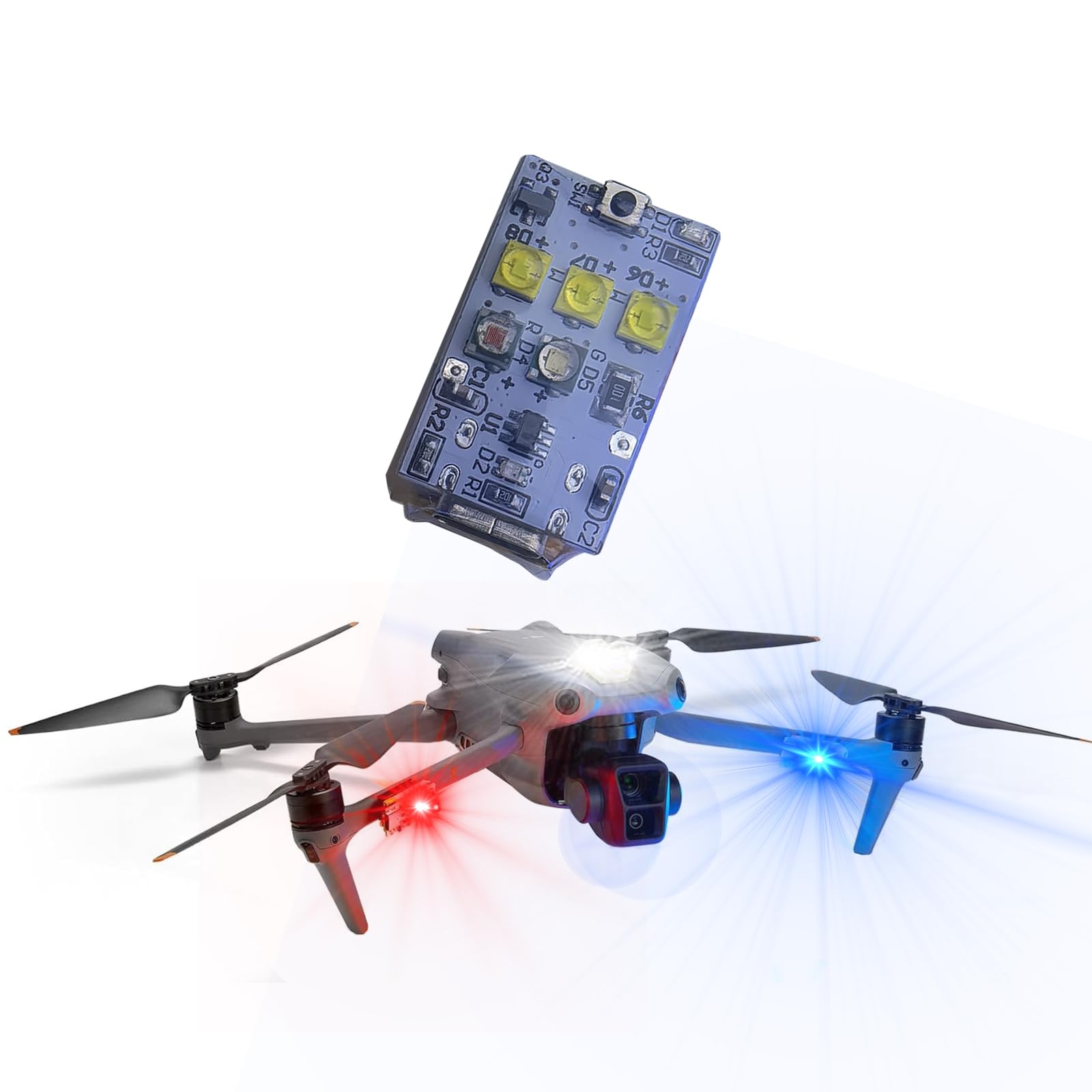
This rechargeable strobe light works well for night flights with its 10 flashing modes and simple Velcro attachment system that fits most DJI drones.
Pros
- Quick 30-minute charge time gives you about 4 hours of use
- Ten different flashing modes in red, green, and white help you track your drone easily
- Velcro attachment stays secure without damaging your drone
Cons
- Only 3 customer reviews makes it hard to judge long-term reliability
- Lightweight plastic construction might not handle rough conditions
- Instructions could be clearer about which mode works best for different situations
I attached this strobe light to my drone’s front arm using the included Velcro, and it stuck firmly without any wobbling during flight. The attachment process took less than a minute, and I didn’t need any tools or special skills.
The Type-C charging port makes it convenient since I can use the same cable as my phone. After charging for half an hour, the light lasted through multiple evening flights without dimming. The 160mAh battery held up better than I expected for such a small unit.
Switching between the 10 flashing modes is straightforward once you get the hang of it. I press the button once to cycle through different colors and patterns. The long press to turn it on or off took some getting used to since you have to hold it for 5 seconds.
The white, red, and green lights are bright enough to spot from a good distance. I found the strobe patterns helpful when flying at dusk to keep track of which direction my drone was facing. The light weighs only 6 grams, so it doesn’t affect flight performance or battery life noticeably.
Buying Guide
When I shop for drone lights, I start by checking the brightness level. Lights measured in lumens tell me how visible the drone will be at night. Higher lumens mean better visibility from greater distances.
Power Source and Battery Life
I always look at how the lights are powered. Some use the drone’s main battery while others have separate batteries.
Separate batteries are better because they don’t drain my flight time. I check how long the lights last on a single charge.
Mounting Options
The way lights attach to my drone matters. I look for these mounting types:
- Adhesive strips
- Velcro straps
- Clip-on brackets
- Screw mounts
Easy installation saves me time. I prefer lights that don’t require drilling or permanent changes to my drone.
Light Modes and Colors
I consider what light modes are available. Basic options include steady, strobe, and flash patterns.
Multiple colors help me track my drone’s orientation. Red and green on different sides work well for this purpose.
Weight Considerations
I calculate the total weight of the lights before buying. Extra weight affects flight time and handling.
Most drones have weight limits listed in their specs. I make sure the lights stay within this limit.
Weather Resistance
I check the IP rating for water and dust protection. An IP65 rating or higher works for most outdoor conditions.
This matters when I fly in damp weather or dewy mornings.
Frequently Asked Questions
Night drone operations require specific lighting based on FAA rules, with red and green navigation lights plus white strobes being standard, though observers may see various colors that indicate different purposes or models. I’ll cover the legal requirements, identification methods, and safety practices for flying drones after dark.
1. What are the lighting requirements for drones during nighttime operations?
The FAA requires all drones flown at night to have anti-collision lighting visible for at least three statute miles. This lighting must have a flash rate sufficient to avoid a collision.
I need to ensure my drone has lights that can be seen from any angle. The strobe or anti-collision lights must be white and flash at a rate between 40 and 100 cycles per minute.
Most commercial drones come with built-in lighting that meets these requirements. If my drone doesn’t have proper lighting, I must add external lights before flying at night.
2. What do the different colors of drone lights signify when observed in the dark?
Red and green lights on a drone work like airplane navigation lights. The red light appears on the left side while the green light shows on the right side.
White strobe lights are required for anti-collision purposes. These bright flashing white lights help other aircraft and people on the ground spot the drone.
Blue and red flashing lights often indicate law enforcement or emergency services drones. Some hobbyist drones use various colors like purple, blue, or yellow for visibility or personal preference, though these don’t meet FAA requirements alone.
3. Is there technology available to help identify police drones at night?
Remote ID technology became mandatory for most drones and broadcasts identification information. I can use smartphone apps like DroneScanner or OpenDroneID to detect nearby drones and view their registration details.
Police drones often use specific lighting patterns with blue and red LEDs. However, I cannot rely on lights alone for identification since hobbyists can use similar colors.
Some apps show the operator’s location and the drone’s flight path. This technology helps me distinguish between recreational, commercial, and law enforcement drones in my area.
4. What are the best practices for attaching lights to a drone for optimal visibility after dusk?
I should mount anti-collision lights on the top of my drone where they won’t be blocked by propellers or the body. Bottom-mounted lights help me see the landing area but don’t count as anti-collision lighting.
The lights must be lightweight to avoid affecting flight performance. I need to secure them firmly so they don’t detach during flight.
I should test the lights before takeoff to ensure they work properly. Battery-powered external lights need fresh batteries, and I must check that they’re visible from all angles.
5. How do you legally and safely operate a drone at night?
I must hold a Part 107 certificate and complete the night operations training requirement. This training covers night flying risks and proper procedures.
I need to perform a pre-flight check of my drone’s lighting system. My eyes need time to adjust to darkness, so I should arrive at my flying location early.
I must maintain visual line of sight with my drone at all times. Using a visual observer can help me track the drone and watch for obstacles or other aircraft. I should fly at lower altitudes and slower speeds than during daytime to reduce collision risks.