responsible drone operation
*We may earn a commission for purchases made using our links. Please see our disclosure to learn more.
Responsible Drone Operation: Essential Safety Guidelines for Modern Pilots
Drones have changed how we work, create, and explore the world around us. But with this new technology comes real responsibility. Responsible drone operation means following safety rules, respecting privacy, understanding regulations, and considering how your flights affect others and the environment.
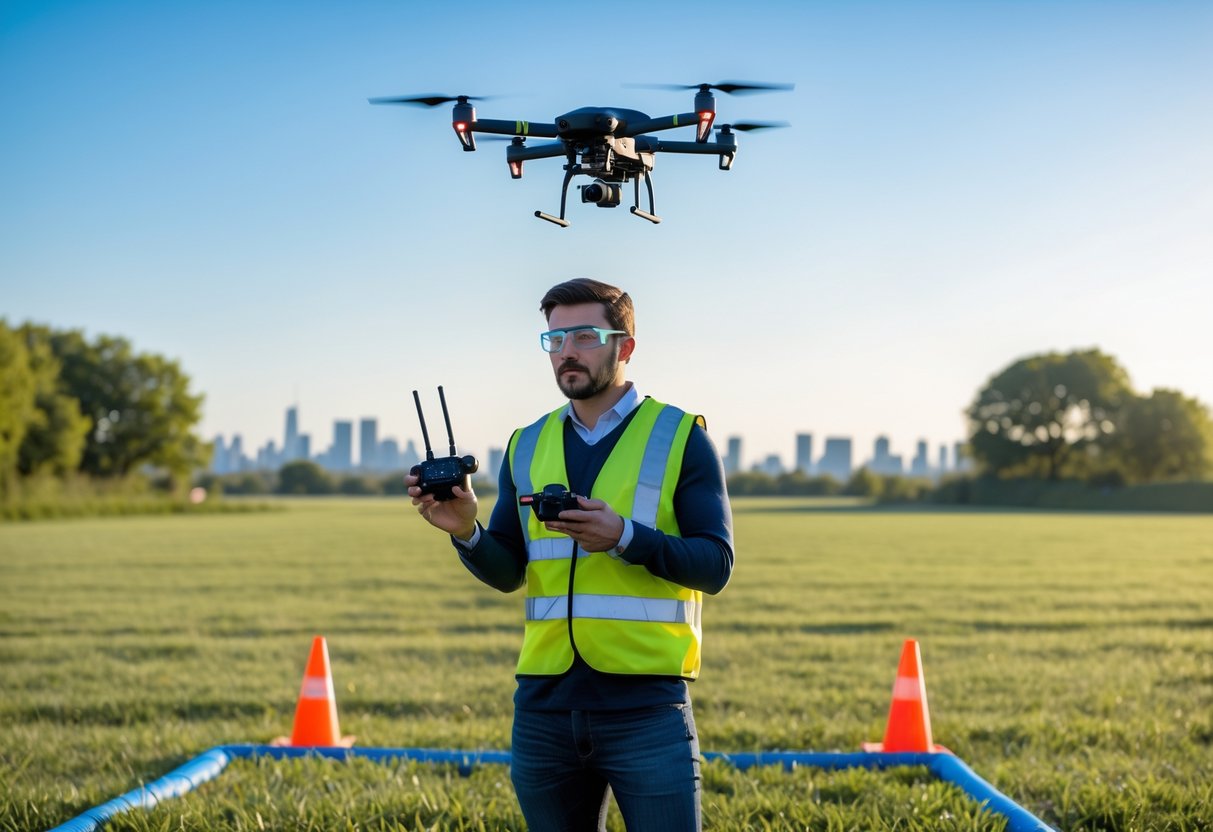
I’ve seen the drone industry grow quickly over the past few years. More people and businesses are using drones every day. This means we all need to understand what it takes to fly safely and legally.
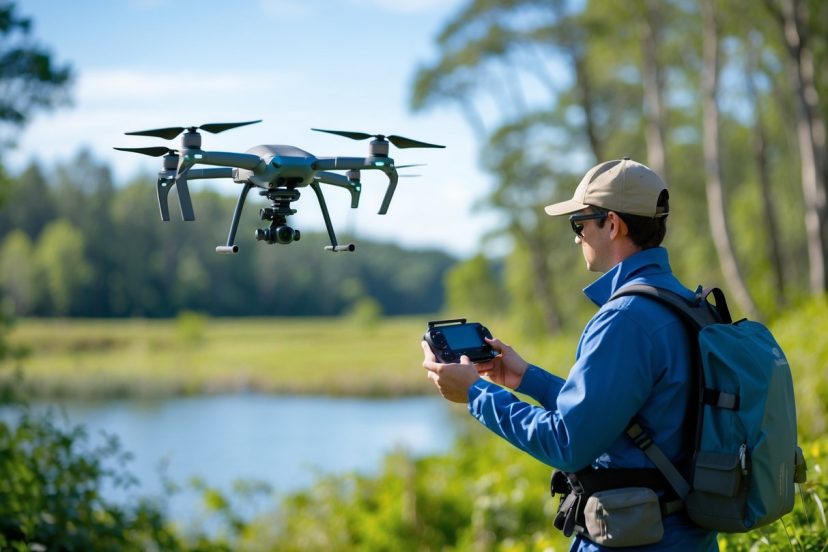
In this article, I’ll walk you through everything you need to know about operating drones responsibly. You’ll learn about legal requirements, safety practices, equipment care, and how to be a good member of the drone community. Whether you’re new to flying or looking to improve your skills, these guidelines will help you operate with confidence and care.
Understanding Responsible Drone Operation
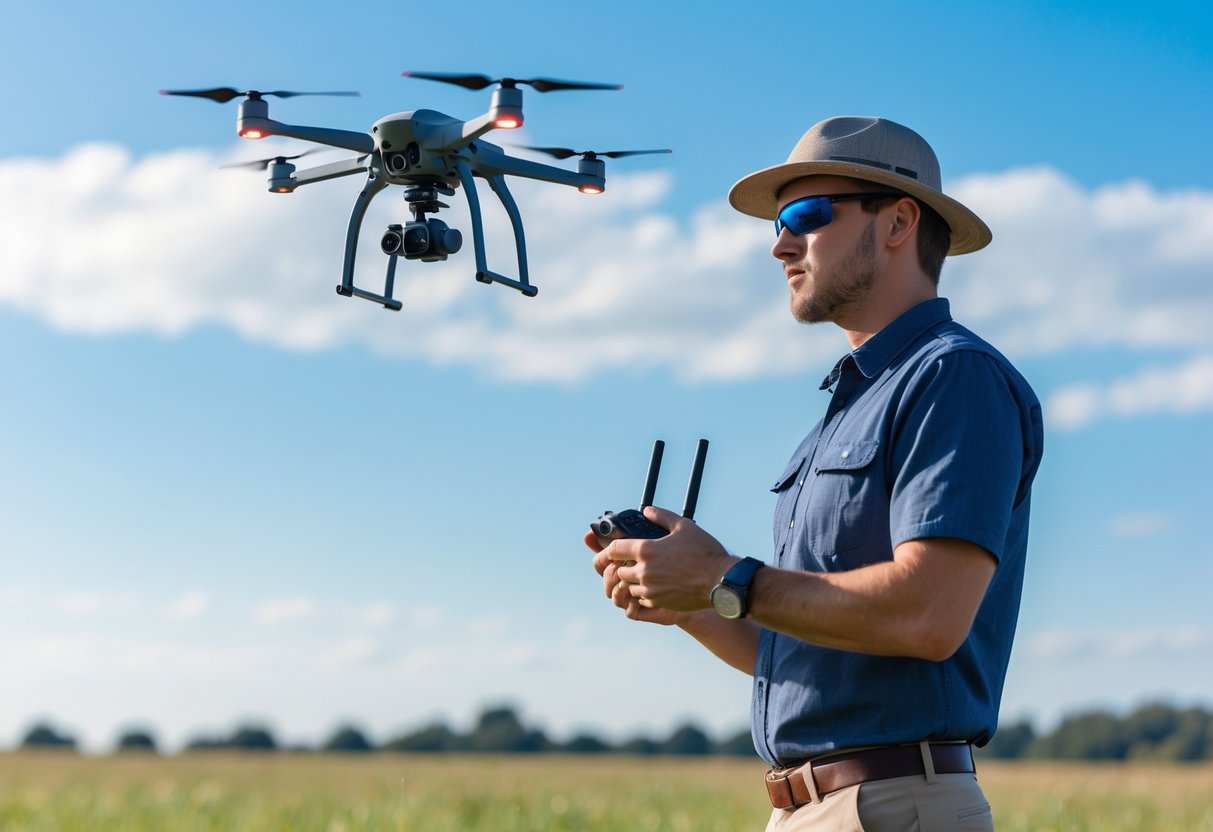
Responsible drone operation requires knowledge of legal requirements, commitment to safety protocols, and awareness of how actions affect others and the airspace.
Defining Responsible Drone Use
Responsible drone use means operating aircraft within legal boundaries while respecting safety and privacy standards. I define it as following FAA regulations, maintaining awareness of surroundings, and considering the impact on people and property below.
At its core, responsible operation involves three key elements. First, I must comply with all federal, state, and local drone laws. Second, I need to respect the privacy and safety of others during flights. Third, I should fly only when conditions are safe and I’m properly prepared.
Key responsibilities include:
- Registering drones with the FAA when required
- Obtaining proper certifications for commercial operations
- Flying within visual line of sight
- Avoiding restricted airspace without authorization
- Respecting altitude limits (typically 400 feet for recreational flights)
I understand that responsible use extends beyond legal compliance. It means making ethical decisions about when and where to fly, even when regulations might technically permit it.
Core Principles of Drone Safety
Safety protocols form the foundation of responsible drone operation. I prioritize pre-flight checks to verify battery levels, propeller condition, and control responsiveness before each flight.
Weather assessment is critical. I avoid flying in winds exceeding my drone’s capabilities, rain, or reduced visibility conditions. These environmental factors can quickly lead to loss of control or crashes.
Maintaining situational awareness means constantly scanning for manned aircraft, other drones, people, and obstacles. Manned aviation always has right of way, and I must yield immediately if I detect any aircraft nearby.
Essential safety practices:
- Conduct thorough equipment inspections
- Plan flight paths in advance
- Maintain minimum distances from people and structures
- Keep emergency procedures ready
- Stay alert and focused during operation
I never fly over crowds, emergency response situations, or near airports without proper authorization.
Impact of Responsible Practices
Responsible drone operation protects both the operator and the public. When I follow proper procedures, I reduce liability risks and prevent accidents that could cause property damage or injuries.
My actions as a drone operator affect public perception of the entire industry. Irresponsible flights that violate privacy or create safety hazards lead to stricter regulations and reduced freedoms for all operators.
Following best practices ensures airspace remains safe for manned and unmanned aircraft. I contribute to a collaborative aviation environment where different users can coexist safely.
Professional drone work depends on maintaining public trust. I recognize that each flight represents the broader drone community. Responsible operation keeps opportunities open for recreational enjoyment and commercial applications.
Legal and Regulatory Requirements
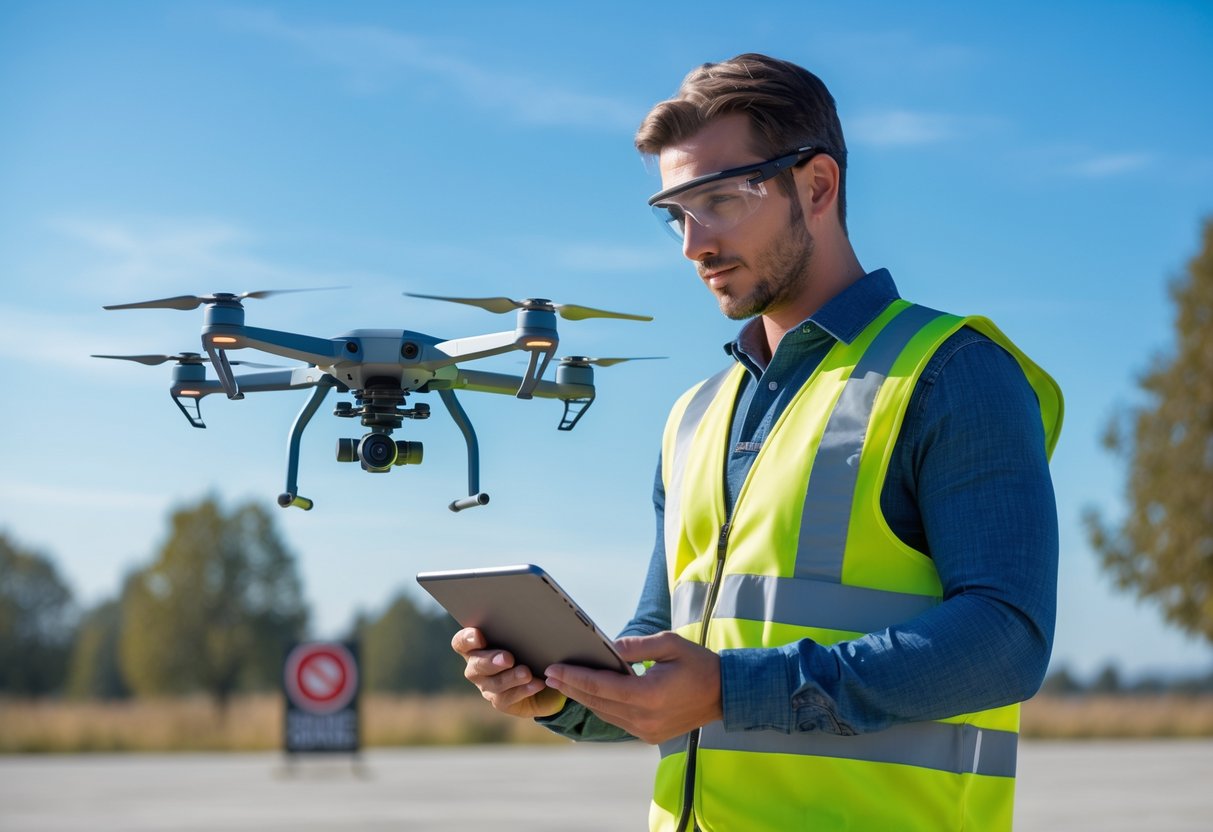
Operating a drone legally requires following federal aviation rules, registering your aircraft, and understanding where you can fly. The Federal Aviation Administration (FAA) sets the standards for drone use in the United States, and violations can result in fines or criminal charges.
Complying with Local and National Laws
I need to follow FAA regulations whenever I fly a drone in the United States. The most common rule set is Part 107, which applies to commercial drone operations. Under Part 107, I must keep my drone within visual line of sight at all times. I cannot fly higher than 400 feet above ground level or operate over people unless they’re directly participating in the operation.
I also need to check local laws before flying. Some cities and states have additional restrictions beyond federal rules. Parks, schools, and government buildings often prohibit drone flights. Flying at night requires special waivers and anti-collision lighting.
The penalties for breaking these laws are serious. The FAA can issue fines up to $1,100 per violation for recreational flyers. Commercial operators face civil penalties up to $27,500. Criminal penalties apply for reckless operations that endanger people or other aircraft.
Understanding Airspace Classifications
Airspace in the United States is divided into different classes that determine where I can fly. Class G airspace is uncontrolled and generally allows drone operations below 400 feet without special authorization. This covers most rural areas.
Class B, C, D, and E airspace surrounds airports and controlled areas. I must get authorization through the FAA’s LAANC system before flying in these zones. Class B covers major airports with the strictest restrictions. Class C and D cover smaller airports with moderate traffic.
Some areas are completely off-limits. These include national security facilities, military bases, and temporary flight restrictions for events or emergencies. I can check current airspace status using the FAA’s B4UFLY app or online resources.
Registration and Certification Processes
I must register my drone with the FAA if it weighs between 0.55 and 55 pounds. Recreational registration costs $5 and lasts three years. I receive a registration number that must be displayed on my aircraft. Registration can be completed online through the FAA’s DroneZone website.
For commercial operations, I need a Part 107 Remote Pilot Certificate. This requires passing an aeronautical knowledge test at an FAA-approved testing center. The test covers airspace rules, weather, flight operations, and emergency procedures. The certificate must be renewed every 24 months through a recurrent training course.
I must carry my registration and pilot certificate when flying. The FAA can request these documents during inspections or after incidents.
Safety Guidelines and Risk Management
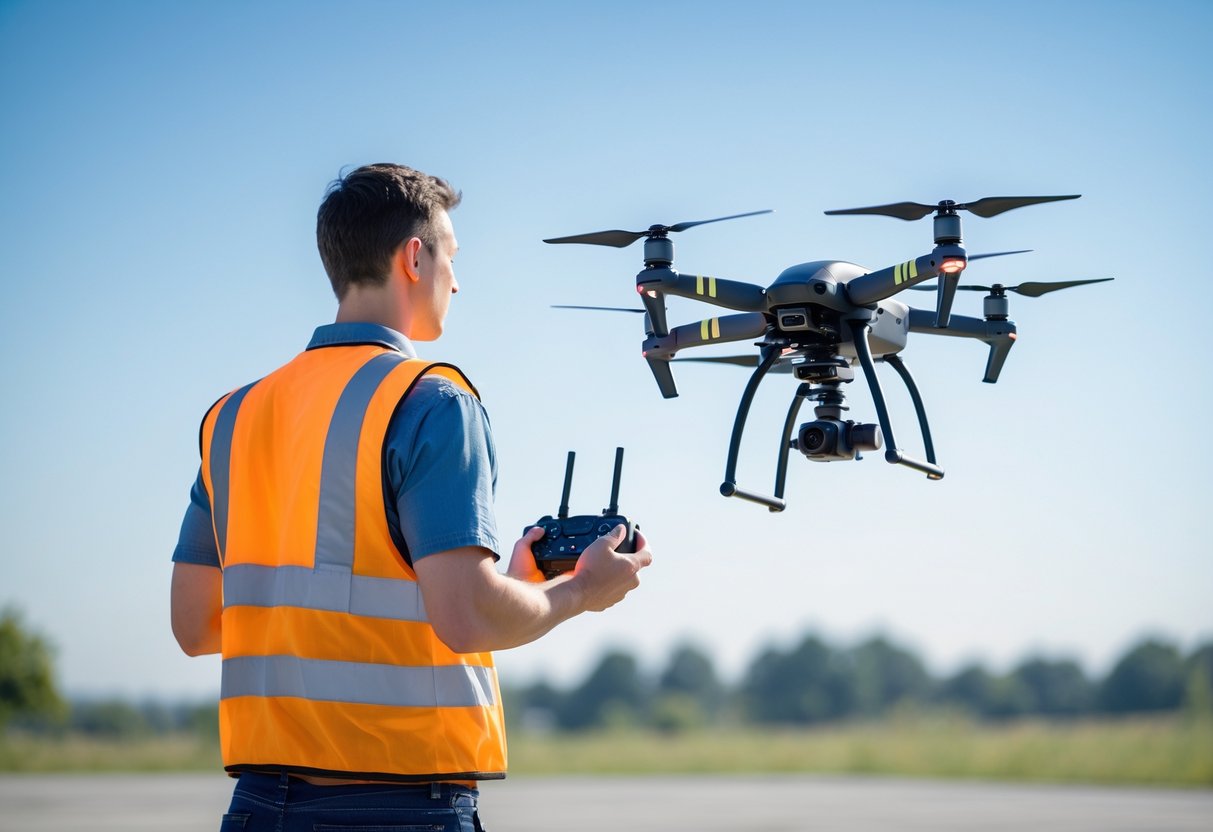
Safe drone operation requires careful planning before each flight, attention to weather conditions, and prepared responses for unexpected situations. These practices reduce accidents and help operators comply with aviation regulations.
Pre-Flight Inspections and Planning
I always start with a thorough equipment check before launching any drone. This includes inspecting the propellers for cracks or damage, checking battery levels and connections, and testing the camera and sensors. I verify that the firmware is up to date and that my remote controller has a full charge.
The planning phase is just as important as the equipment check. I review the flight area using maps and airspace apps to identify no-fly zones, airports, and restricted areas. I also check for obstacles like power lines, trees, and buildings that could interfere with the flight path.
Essential Pre-Flight Checklist:
- Battery charge at 100% for main aircraft and controller
- Propellers secure and undamaged
- GPS signal strong with at least 10 satellites
- Camera and gimbal functioning properly
- Flight plan logged and airspace cleared
- Emergency landing zones identified
I make sure all required documentation is accessible, including my remote pilot certificate and any necessary waivers or authorizations.
Weather Considerations
Wind speed is the most critical weather factor I monitor. Most consumer drones struggle in winds above 20-25 mph, and I avoid flying when gusts exceed the manufacturer’s recommendations. Strong winds drain batteries faster and make the aircraft harder to control.
Rain and moisture damage electronic components, so I never fly in wet conditions unless my drone has an appropriate weather rating. I also watch for fog and low visibility, which can disorient me and make it difficult to maintain visual contact with the aircraft.
Temperature affects battery performance significantly. Cold weather reduces flight time by 20-50%, and I keep spare batteries warm before use. Extreme heat can cause overheating and system failures.
Emergency Procedures and Contingency Planning
I always identify safe landing zones before takeoff in case I need to bring the drone down quickly. These areas should be clear of people, vehicles, and property that could be damaged.
When I lose GPS signal, I immediately switch to manual control mode and prepare for potential drift. If the connection between my controller and drone fails, I rely on the return-to-home function, but I stay ready to take manual control if the automatic system malfunctions.
Battery management is crucial for emergency prevention. I set my low battery warning to activate with enough power remaining to return safely, typically at 30-40% capacity. I never push the limits trying to capture one more shot.
I keep a written emergency contact list that includes local authorities, the FAA, and my insurance provider. This preparation helps me respond quickly if an accident occurs.
Privacy and Ethical Considerations
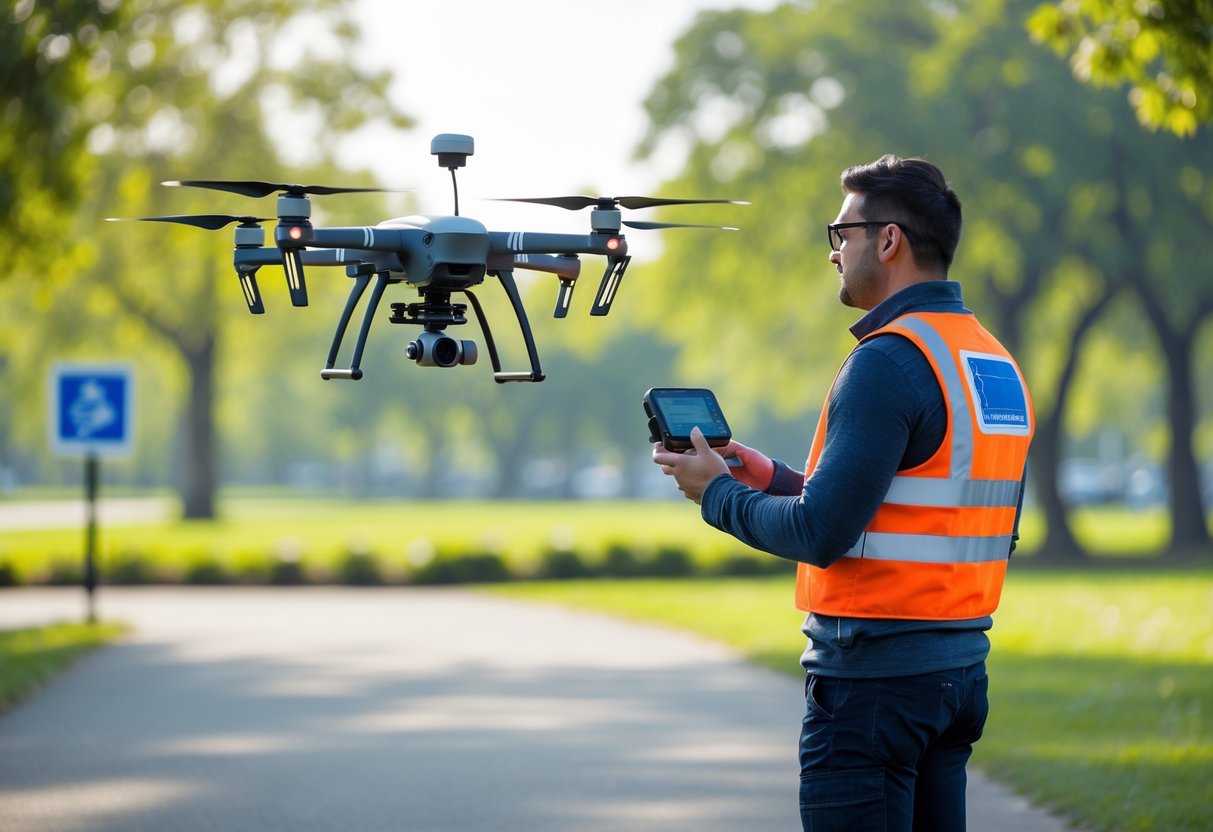
Operating a drone requires me to think beyond technical skills and regulations. I must consider how my flights affect other people’s privacy and uphold ethical standards that protect individuals and communities.
Respecting Personal Privacy
I need to understand that drones equipped with cameras can capture images and videos that intrude on people’s private lives. When I fly over residential areas, backyards, or through windows, I risk violating someone’s reasonable expectation of privacy.
Before I fly, I should ask myself if my drone could record people in private moments. I must avoid pointing my camera at homes, private property, or individuals without their consent. Even if I’m legally allowed to fly in certain airspace, I still have an ethical duty to respect privacy.
Key privacy practices I follow:
- Keep my drone at a respectful distance from homes and private property
- Avoid flying over gatherings, events, or people who haven’t given permission
- Store any captured footage securely and delete unnecessary recordings
- Never share images or videos that show identifiable people without consent
I should remember that just because I can fly somewhere doesn’t mean I should.
Avoiding Sensitive Locations
Certain locations require extra caution or complete avoidance, even when they’re technically legal to fly over. I must stay away from hospitals, schools, places of worship, and government facilities where people expect privacy and security.
Critical infrastructure sites like power plants, water treatment facilities, and communication towers are often restricted. Flying near these areas can raise security concerns and may be illegal.
I should also avoid emergency scenes, including fires, accidents, and police operations. My drone can interfere with first responders and their aircraft. During natural disasters or emergencies, I need to keep my drone grounded unless I’m specifically authorized to assist.
Ethical Responsibilities of Operators
My role as a drone operator goes beyond following rules. I must prioritize safety, act responsibly, and consider how my actions affect others. This means being honest about my skill level and only attempting flights I can safely complete.
I have a responsibility to educate myself continuously about best practices and emerging ethical concerns. I should stay informed about how drone technology impacts communities and adapt my behavior accordingly.
When I operate commercially, I need to be transparent with clients about data collection and usage. I must obtain proper permissions and handle any collected data with care. My conduct shapes public perception of drone technology, so I need to demonstrate that drone operators can be trusted members of the community.
Operational Best Practices
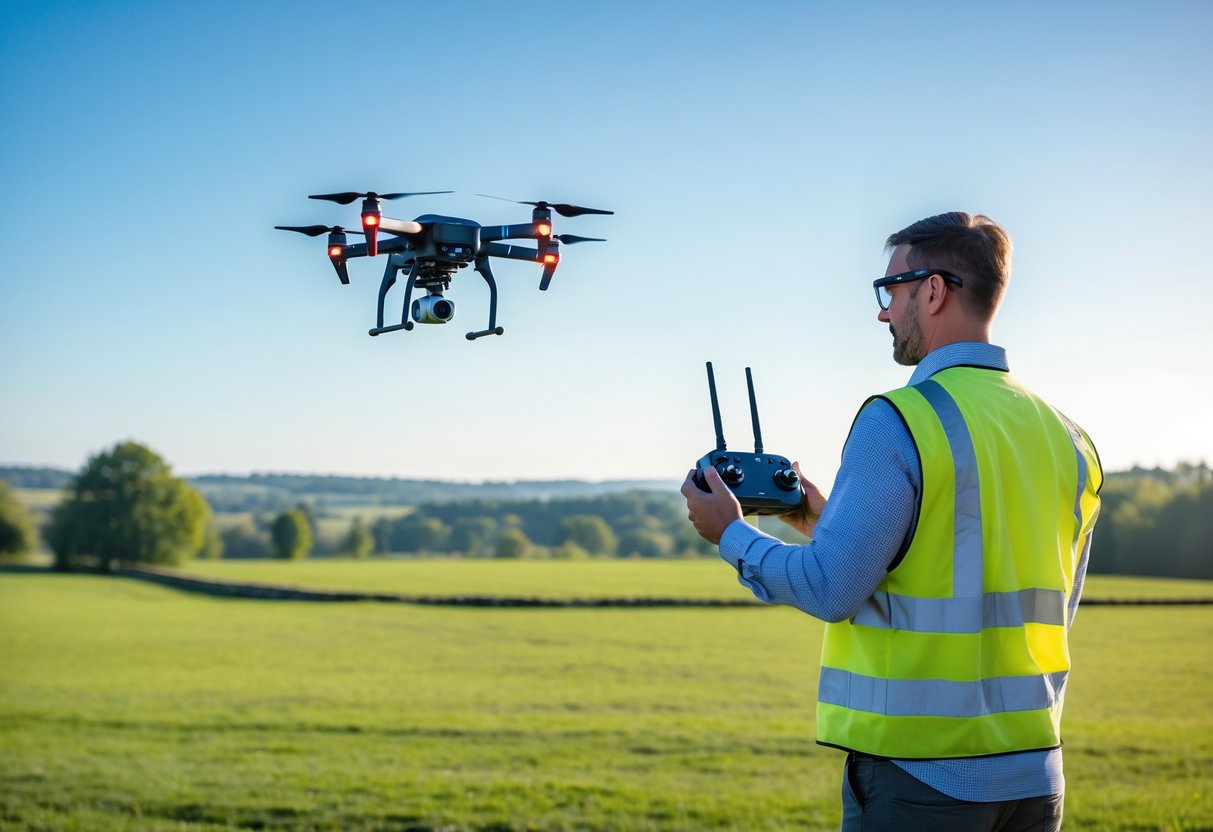
Following proven operational standards protects both people and property while keeping drone flights legal and efficient. These practices focus on maintaining control, respecting airspace limits, and executing safe launch and recovery procedures.
Maintaining Visual Line of Sight
I always keep my drone within my direct, unaided visual line of sight during flight. This means I can see the aircraft with my own eyes at all times without relying on the camera feed or display screen.
Visual line of sight lets me monitor the drone’s position, altitude, and flight path in real time. I can quickly identify potential hazards like other aircraft, obstacles, or changing weather conditions that might not be visible through the camera.
The standard maximum distance I maintain is approximately 1/2 mile from my position, though I often keep the drone much closer depending on conditions. Factors like lighting, weather, and the drone’s size affect how far I can maintain proper visual contact.
I never use binoculars or other visual aids as a substitute for direct observation. If I need visual observers to help monitor the airspace, I maintain clear communication with them throughout the entire flight.
Altitude and Distance Limitations
I keep my drone below 400 feet above ground level, which is the maximum altitude allowed for most commercial operations. When flying near structures, I can go up to 400 feet above the structure’s immediate uppermost limit.
I always check for controlled airspace before each flight. Flying near airports requires authorization through LAANC (Low Altitude Authorization and Notification Capability) or traditional FAA approval.
Distance limitations depend on my certification and the specific operation. I maintain adequate separation from people, vehicles, and property not directly involved in my operation. I never fly directly over individuals unless they’re participants in the mission.
Weather conditions affect my operational limits. I avoid flying in winds exceeding my drone’s maximum rated speed, typically staying grounded when winds reach 25-30 mph or higher.
Safe Takeoff and Landing Techniques
I inspect my launch and landing zones before every flight to identify hazards like power lines, uneven terrain, or moving obstacles. The area should be level, clear of debris, and away from crowds.
My pre-flight checklist includes:
- Battery level verification (minimum 30% for landing reserve)
- Propeller inspection for damage or debris
- Compass calibration in the launch location
- GPS signal confirmation
- Control link verification
I perform a controlled hover at 3-5 feet after takeoff to verify all systems respond correctly. This brief pause lets me check for mechanical issues, control responsiveness, and unusual aircraft behavior before climbing to operating altitude.
For landing, I reduce speed gradually and descend in a controlled manner. I avoid landing in the same spot if dust or debris has been kicked up, as this can damage sensors or motors.
Technical Maintenance and Equipment Care
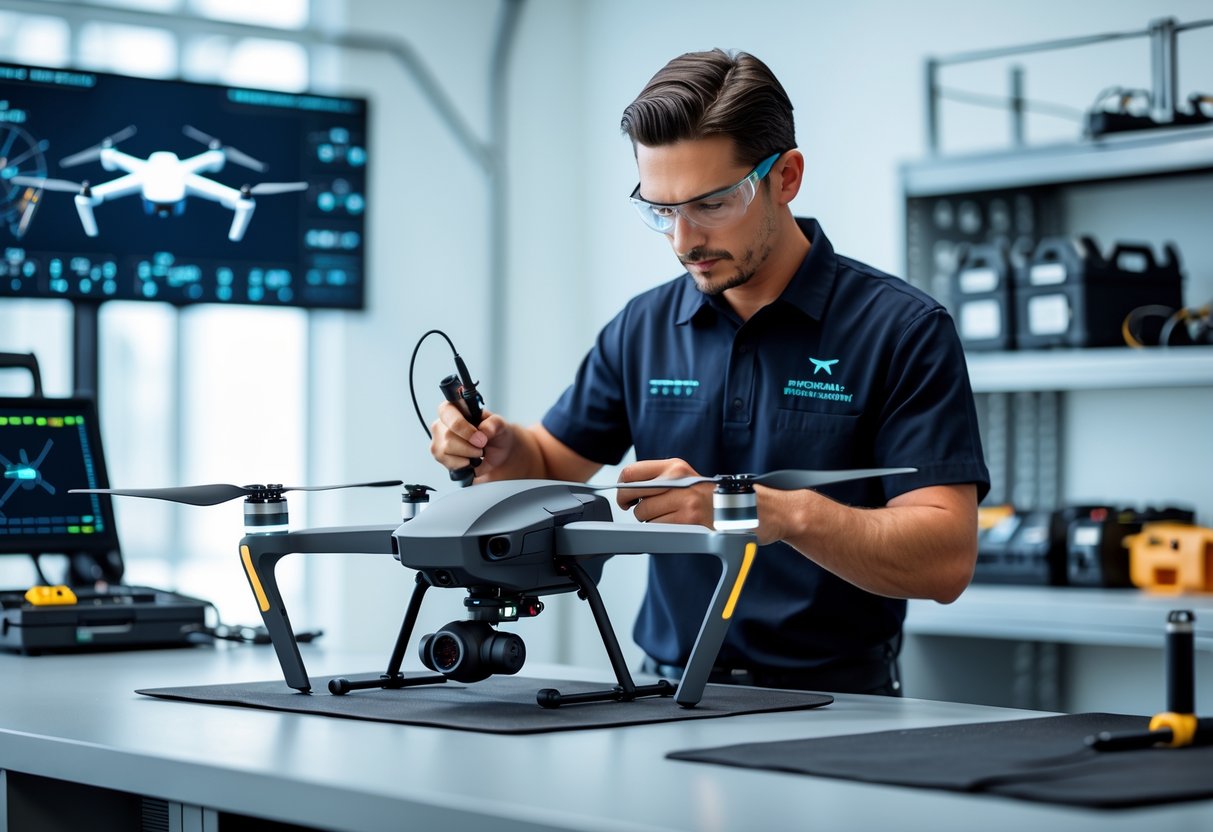
Keeping a drone in working condition requires scheduled inspections, proper battery handling, and current software. These practices prevent equipment failures and extend the life of the aircraft.
Routine Maintenance Procedures
I perform a visual inspection before every flight to check for damage or wear. I examine the frame for cracks, the propellers for chips or bends, and the motors for debris. I also clean the camera lens and sensors with a microfiber cloth to maintain image quality.
I check all connections and fasteners to make sure they’re secure. Loose screws or connectors can cause vibrations or system failures during flight. I inspect the landing gear for stability and examine the gimbal for smooth movement.
I keep a maintenance log that tracks flight hours, inspection dates, and any repairs I’ve made. This record helps me spot patterns in wear and plan for part replacements before failures occur. I replace propellers after any impact or every 200 flight hours, whichever comes first.
Battery Management and Safety
I store batteries at 50-60% charge when not in use for more than a week. Storing them fully charged or completely depleted damages the cells and reduces their lifespan. I keep batteries in a cool, dry place away from direct sunlight and flammable materials.
I inspect batteries before each flight for swelling, damage, or corrosion on the contacts. A swollen battery indicates internal damage and must be disposed of properly. I never use a damaged battery.
I follow these charging practices:
- Charge batteries at room temperature
- Never leave charging batteries unattended
- Use only manufacturer-approved chargers
- Allow hot batteries to cool before charging
- Discharge batteries to storage level after use
I track the number of charge cycles for each battery. Most drone batteries last 200-300 cycles before performance degrades noticeably.
Firmware and Software Updates
I check for software updates weekly through the manufacturer’s app or website. Updates fix bugs, improve flight performance, and add safety features. Some updates address critical security issues or comply with new regulations.
I update firmware on the drone, controller, and battery when available. I complete updates in a location with stable internet and keep the equipment plugged into power during the process. I never interrupt an update in progress, as this can damage the software.
I read the release notes before installing updates to understand what changes the update makes. Some updates may alter flight characteristics or change settings I’ve customized. After updating, I test the drone in a safe area before using it for important operations.
Training and Skill Development
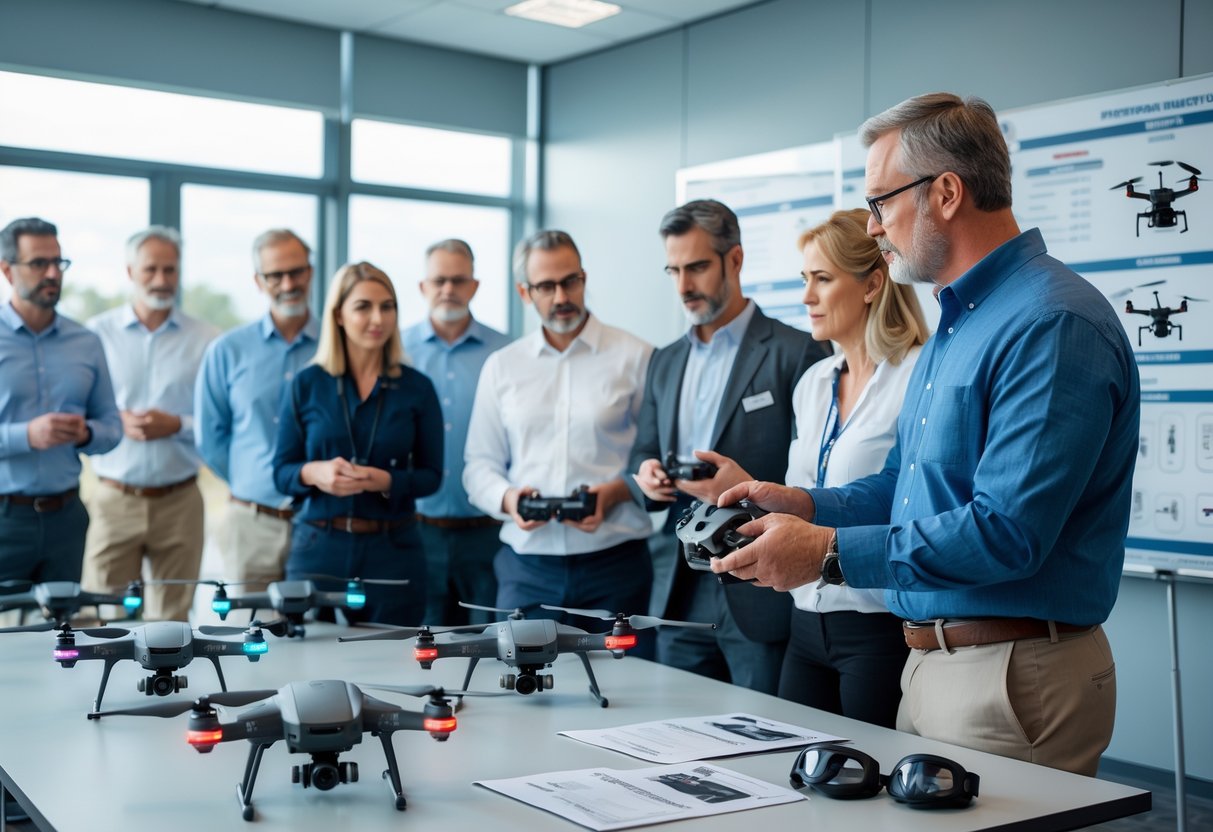
Proper training forms the foundation of safe drone operation. I need to meet specific requirements before flying and continue developing my skills throughout my career as a drone operator.
Mandatory Training Programs
In the United States, I must obtain a Remote Pilot Certificate from the FAA to fly drones commercially under Part 107 regulations. This certification proves I understand the rules, operating requirements, and safety procedures for drone flight.
The training covers several critical areas:
- FAA regulations and airspace classifications
- Weather conditions and their impact on flight
- Emergency procedures and risk management
- Radio communication protocols
- Drone performance and limitations
I need to pass an aeronautical knowledge test at an FAA-approved testing center. The test includes 60 multiple-choice questions, and I must score at least 70% to pass. Before taking the exam, I should complete a ground school course or self-study program to prepare.
Many organizations offer structured training programs beyond basic certification. These programs teach ethics, safety protocols, and responsible operation practices that go beyond minimum legal requirements.
Advanced Flight Techniques
Once I have my basic certification, I can develop more sophisticated flying skills. Advanced techniques help me handle complex situations and operate in challenging environments.
Precision maneuvers include flying in tight spaces, navigating around obstacles, and maintaining stable hovering positions. I practice these skills in controlled settings before attempting them in real-world scenarios.
Camera operation skills matter when I use drones for photography or inspection work. I learn to adjust gimbal settings, frame shots while flying, and maintain smooth camera movements.
Emergency response training prepares me for equipment failures or unexpected conditions. I practice controlled landings with partial system failures and learn to recognize warning signs before problems become critical.
Continuous Learning Resources
Drone technology changes rapidly, so I keep my skills current through ongoing education. Online courses offer flexible options for learning new techniques and staying updated on regulation changes.
I can access training materials through:
- Manufacturer programs that cover specific drone models
- Industry associations offering specialized certifications
- Online platforms with courses on data analysis and flight operations
- Local workshops providing hands-on practice opportunities
I renew my Remote Pilot Certificate every 24 months by taking a recurrent knowledge test. This requirement ensures I stay informed about regulatory updates and safety procedures. Between renewals, I track industry news and participate in drone operator communities to learn from other pilots’ experiences.
Community Engagement and Public Awareness
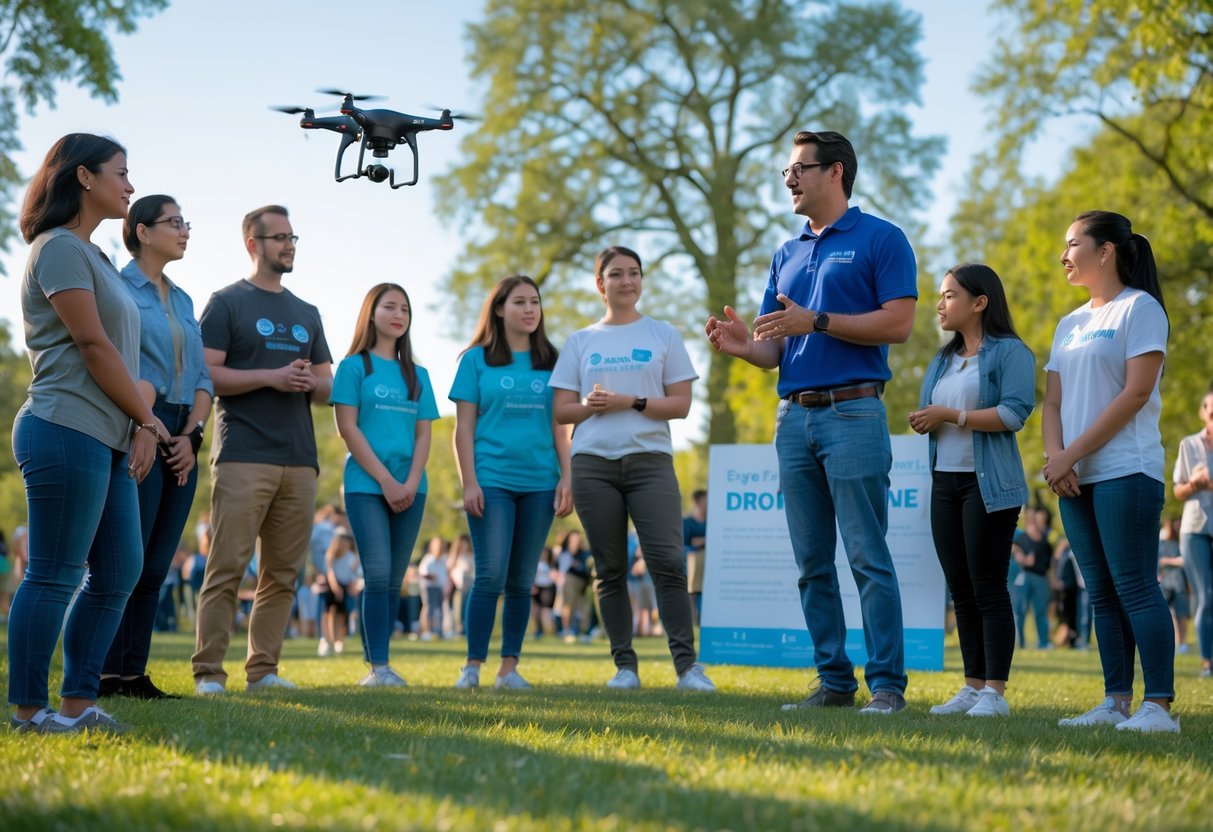
Building positive relationships with communities and sharing knowledge about drone operations helps create safer skies and reduces conflicts between drone operators and the public. Open communication addresses safety concerns while promoting responsible use of this technology.
Educating Local Communities
I make it a priority to share information about drone safety and regulations with people in my area. Local libraries, community centers, and schools often welcome presentations about how drones work and what rules govern their use. These educational sessions help people understand the difference between recreational and commercial operations.
I focus on teaching basic drone laws during community events. This includes explaining airspace restrictions, altitude limits of 400 feet, and the requirement to keep drones within visual line of sight. Many people don’t know that flying near airports or over people without proper authorization is illegal.
When I participate in community education efforts, I demonstrate safe flying practices and explain privacy considerations. I show how pilots can respect personal property boundaries and avoid capturing images of people without permission. These demonstrations build trust and help communities see drones as useful tools rather than threats.
Participating in Drone User Groups
Joining local drone clubs and online communities connects me with other pilots who share best practices and safety tips. These groups organize meetups where members practice flying skills and discuss new regulations. I learn from experienced operators while helping beginners avoid common mistakes.
User groups often coordinate with local authorities to establish safe flying zones and organized events. Through these partnerships, I gain access to flying fields and stay informed about temporary flight restrictions in my area. Many clubs also maintain relationships with emergency services to support search and rescue operations.
I contribute to these communities by sharing my experiences and staying current on aviation rules. Members often alert each other about software updates, equipment recalls, and changes to local ordinances that affect drone operations.
Addressing Public Concerns
I respond to questions and concerns from neighbors and community members with patience and accurate information. When someone worries about privacy, I explain my flight plan and how I avoid recording private property. Being transparent about my intentions prevents misunderstandings.
If I receive a complaint about my flying, I listen carefully and adjust my operations when appropriate. Sometimes people fear drones simply because they don’t understand them. I take time to explain what I’m doing and show them the live camera feed to demonstrate I’m not invading anyone’s privacy.
I provide my contact information to local residents and encourage them to reach out with questions. This open-door policy builds credibility and shows I take my responsibilities seriously. When conflicts arise, I work with community members to find solutions that respect both safe drone operation and their legitimate concerns about noise, safety, and privacy.
Environmental Stewardship
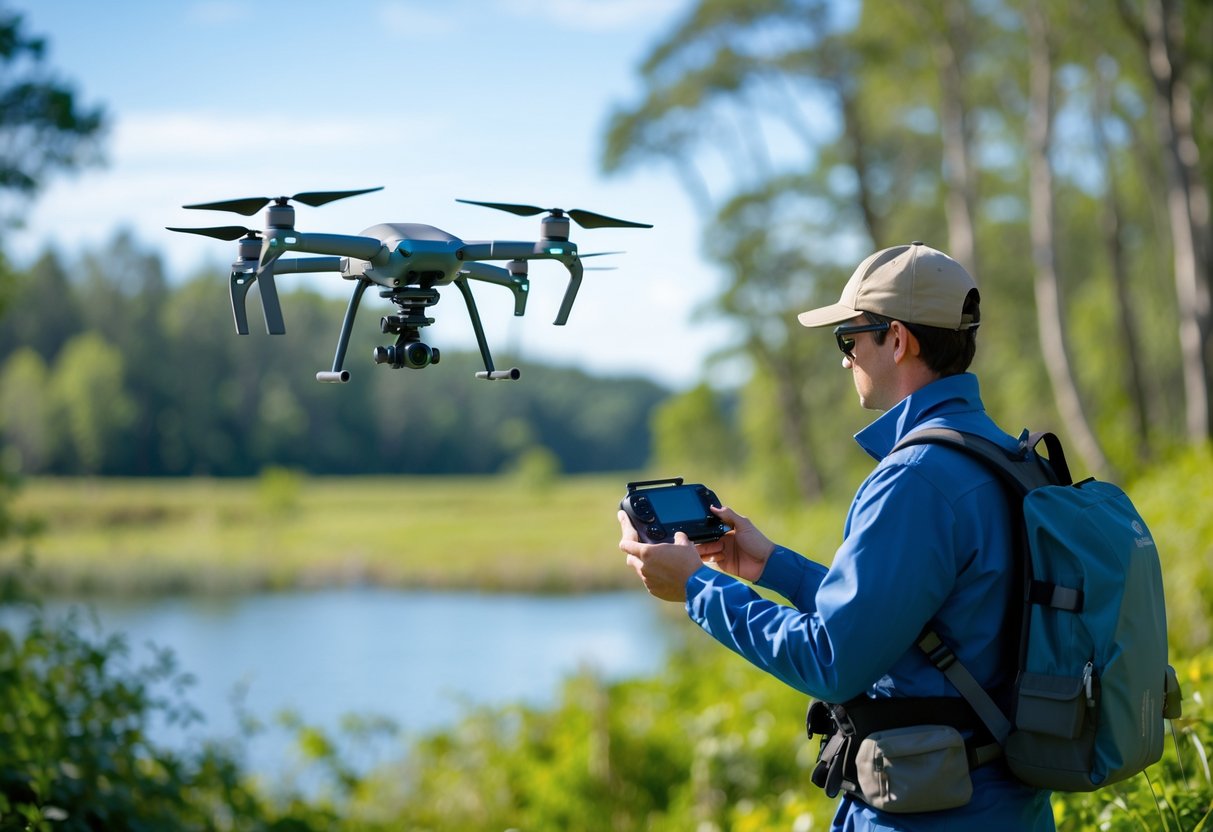
Drone operators have a responsibility to protect natural habitats and minimize their impact on the environment. This means being thoughtful about where and how we fly, especially around wildlife and in areas where nature is most vulnerable.
Minimizing Wildlife Disturbance
I need to recognize that drones can stress animals even when I’m just passing through. Birds may see my drone as a predator and abandon their nests. Ground animals might flee and waste precious energy they need for survival.
The breeding season requires extra caution. I avoid flying near nesting sites during spring and early summer. If I notice animals changing their behavior because of my drone, I move away immediately.
Key practices I follow:
- Maintain at least 100 feet distance from wildlife
- Stop flying if animals show signs of distress
- Research local wildlife patterns before operating
- Use quieter flight modes when available
I keep my flights brief in areas where animals live. Even a few minutes of disturbance can affect feeding patterns or cause parents to leave their young.
Operating in Sensitive Ecosystems
Wetlands, forests, and protected areas need special consideration. I check for restricted zones before every flight and respect all closures.
Some ecosystems are fragile in ways I might not see. Desert soil crusts can take decades to form but break easily. Coastal areas may house endangered species. I research the specific concerns of any natural area before I fly there.
I never launch or land my drone in vegetation. This protects plants and prevents me from damaging habitat. Hard surfaces or designated areas work best.
Parks and nature reserves often have their own rules beyond federal regulations. I contact land managers when I’m unsure about permissions. Many protected areas ban drones completely, and I respect these restrictions.
Reducing Noise and Pollution
Drone noise affects both wildlife and other people enjoying nature. I limit flight time in quiet natural areas and avoid early morning or evening when many animals are most active.
Battery disposal matters for environmental responsibility. I recycle old batteries at proper facilities rather than throwing them in regular trash. Lithium batteries contain materials that harm soil and water if not handled correctly.
I also consider my drone’s energy source. Solar charging reduces my carbon footprint when possible. Keeping my equipment well-maintained means it lasts longer and creates less waste.
Future Trends in Responsible Drone Operation
The drone industry is moving toward autonomous systems, stricter safety frameworks, and unified global standards that will reshape how I operate drones responsibly in the coming years.
Emerging Technologies and Innovations
Autonomous flight systems are becoming more sophisticated. Beyond Visual Line of Sight (BVLOS) operations are expanding rapidly, allowing me to fly drones over longer distances without maintaining direct visual contact. These systems rely on AI-powered collision avoidance and real-time decision-making capabilities.
Cellular and satellite connectivity will serve as the foundation for scaled operations. The 3GPP Release 17 standards now include specific capabilities for drone identification and authorization through mobile networks. This means I can maintain command-and-control over my drone using existing cellular infrastructure.
Battery technology is advancing to extend flight times and payload capacity. New power systems will let me complete longer missions without frequent landings for recharges.
Remote ID technology is becoming standard equipment. This allows authorities and other airspace users to identify my drone during flight, similar to how aircraft use transponders.
Policy Developments
The FAA Reauthorization Act has set 2025 and 2026 as pivotal years for regulatory changes. Expedited waiver processing now makes it easier for me to obtain permissions for specialized operations like emergency response and package delivery.
Drone registration requirements are becoming more stringent. I must register my aircraft and maintain current pilot certifications to operate legally. These requirements help prevent accidents and address privacy concerns from the public.
Airspace management systems are being integrated with traditional aviation networks. I now need to coordinate my flights through Unmanned Traffic Management (UTM) systems that communicate with air traffic control.
Privacy regulations are evolving alongside operational rules. I must understand local laws about data collection, recording, and surveillance when flying over populated areas.
International Harmonization of Standards
Different countries are working to align their drone regulations. This coordination will make it easier for me to operate across borders without learning completely different rule sets for each location.
Aviation authorities worldwide are adopting similar frameworks for pilot certification and aircraft classification. Weight categories, operational restrictions, and safety requirements are becoming more consistent between regions.
Cross-border drone operations face fewer barriers as nations establish mutual recognition agreements. I can expect my certifications and registrations to be valid in multiple countries that participate in these agreements.
Frequently Asked Questions
Understanding FAA regulations, licensing requirements, and local laws helps drone operators stay compliant and avoid penalties. These answers cover the most common questions about legal drone operation in the United States.
What are the FAA regulations for recreational drone flying?
I must follow the FAA’s recreational drone rules, which require me to fly only for hobby purposes. My drone must weigh less than 55 pounds, and I need to keep it within my visual line of sight at all times.
I cannot fly higher than 400 feet above ground level. I must give way to manned aircraft and avoid flying in controlled airspace without proper authorization.
I need to pass the Recreational UAS Safety Test (TRUST) before my first flight. This free online test covers basic safety guidelines and airspace rules.
What steps should be followed to legally operate a drone under 250 grams in the US?
I still need to follow most FAA rules even if my drone weighs under 250 grams. I must complete the TRUST test and fly according to recreational flying guidelines.
Registration is not required for drones under 250 grams if I fly recreationally. However, I still cannot fly over people unless they are directly participating in my flight operation.
I must respect all airspace restrictions and local laws. Weight alone does not exempt me from following safe flying practices or avoiding restricted areas.
How do you ensure compliance with local laws when flying a drone over private property?
I check state and local drone laws before flying in any new location. Many cities and states have additional restrictions beyond federal FAA rules.
I avoid flying over private property without permission from the property owner. Even if federal rules allow it, local trespassing laws or privacy regulations may prohibit it.
I research no-fly zones using FAA apps like B4UFLY or other airspace awareness tools. National parks, military bases, and certain government facilities often prohibit drone flights entirely.
What are the penalties for operating a drone without proper authorization or license?
The FAA can impose civil penalties up to $1,100 per violation for recreational drone operators. I face fines up to $27,500 for commercial violations or more serious infractions.
Criminal penalties apply in severe cases. Flying a drone without authorization near airports or restricted areas can result in criminal charges with fines exceeding $250,000 and potential prison time.
I may also face state or local penalties separate from FAA enforcement. Local authorities can charge me with trespassing, invasion of privacy, or other violations depending on my actions.
How does one obtain a recreational drone license from the FAA?
I do not need a traditional license for recreational drone flying. Instead, I must pass the TRUST test, which is a free online exam available through FAA-approved test administrators.
The TRUST test takes about 30 minutes to complete. I receive a completion certificate immediately after passing, and this certificate never expires.
I need to carry proof of TRUST completion when flying my drone. A Part 107 Remote Pilot Certificate is only required if I fly for commercial purposes or receive any form of compensation.
What is required to manage multiple drones responsibly?
I can only fly one drone at a time as a recreational pilot. Operating multiple drones simultaneously requires a Part 107 certificate and additional FAA authorization.
Each drone I own must be registered separately if it weighs more than 250 grams. I need to mark each aircraft with its unique FAA registration number before flying.
I must maintain visual line of sight with my active drone at all times. Using multiple drones in any coordinated operation typically requires special waivers from the FAA.